Two minutes into a wet descent at the end of March, the season changed shape. A touch of wheels, a slide, a body on the tarmac — and by that evening the scan showed a fractured collarbone and a hip that would keep her off the bike for weeks. She had spent the whole winter building toward a race in June. Now she was staring at a calendar with a hole in it.
What followed over the next five months was not a heroic sprint back to fitness. It was a slow, methodical rebuild, made of unglamorous decisions: short sessions, capped heart rates, and a lot of saying no. It ended with a podium in a race she had almost written off in April. This is how that turnaround was built, and what other endurance athletes can borrow from it.
The First Two Weeks: Redefining the Season
The hardest work of the whole comeback happened before she turned a pedal. It was deciding, honestly, what the year was now. The original plan — a spring block of stage racing into a midsummer goal — was gone. She replaced it with a single target eight weeks later than the original peak, and wrote off everything in between.
Three questions shaped that decision. What does the tissue timeline actually allow? What can I load without setting myself back? And what does the calendar look like if I assume the slowest realistic recovery rather than the fastest? The first question belongs to the people treating her, not to a training diary. Recovery timelines are medical territory; take yours from your clinician, then build the plan around it.
The rest was arithmetic. If the original target was gone, the new one had to be far enough away to be believable and close enough to keep her motivated. Eight weeks of rebuilding before any race effort is not much — but it is enough if you spend it well.
Rebuilding the Aerobic Floor
The first two weeks on the indoor trainer were almost insultingly easy. Thirty to forty minutes, small gears, a heart rate ceiling she was not allowed to exceed even when she felt good. She hated it. She also credits it with everything that came later.
The point of those sessions was not fitness. It was keeping the habit of training alive while the body healed, and preserving the aerobic base that a winter of long rides had built. The temptation — and she felt it every single day — was to push a little harder because the sessions felt pointless. That is exactly how athletes turn a six-week injury into a ten-week one.
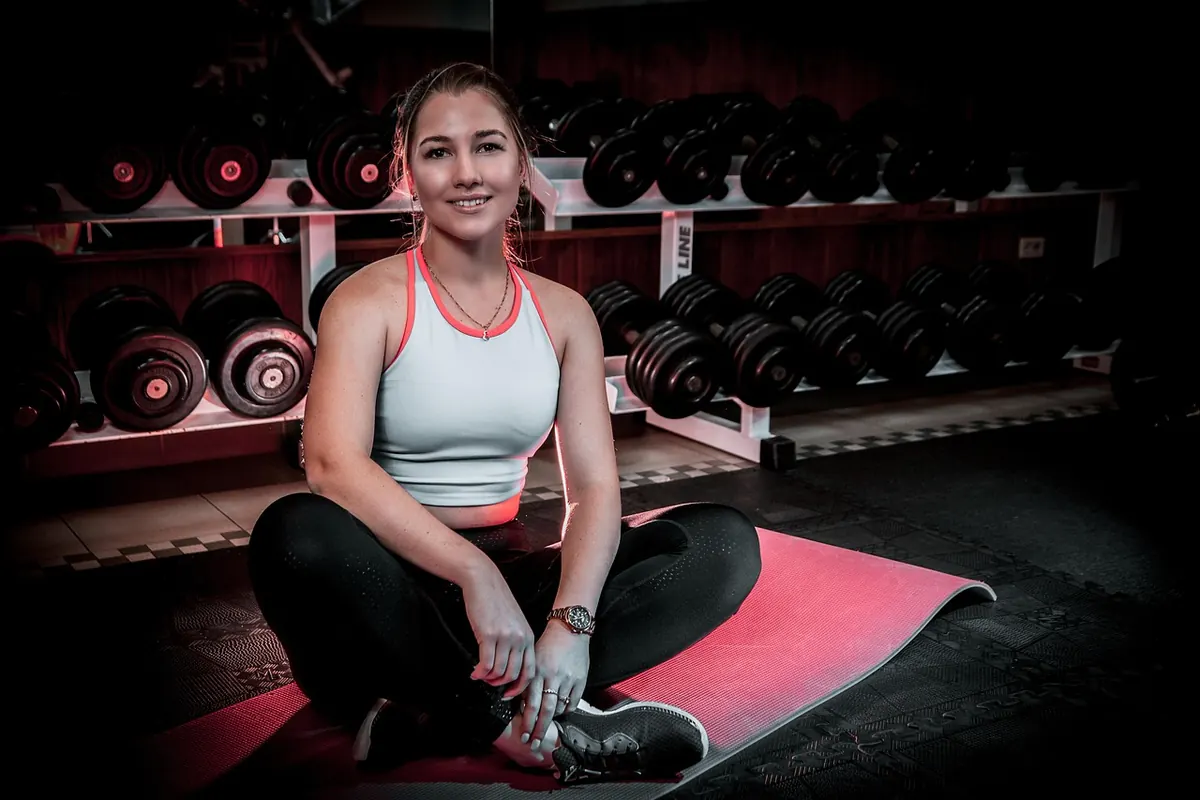
Cross-training filled the gaps: pool running, swimming with a pull buoy, and two short strength sessions a week that kept the uninjured side working without loading the fracture. Boring, repetitive, and effective.
The Training Adjustments That Actually Mattered
When she returned to outdoor riding, the plan looked nothing like the one she had been following in February. Four changes did most of the work.
- Intensity arrived later than felt right. The first hard efforts came in week five, not week two. Every week she wanted to start sooner; every week the conservative choice looked correct in hindsight.
- Easy days got a hard ceiling. A heart rate cap and a talk test on every endurance ride. No chasing wheels, no "just one climb". The base rides were slower than she had ever ridden them, and they did their job.
- Frequency replaced duration. Three 90-minute rides beat one four-hour ride for most of the rebuild. Shorter sessions meant less fatigue per day and more chances to check how the body responded.
- Strength work stayed in the week. Two sessions, thirty minutes, mostly hip and trunk stability and single-leg work. She had skipped it for years. It is now non-negotiable.
She also started logging pain alongside power. A simple note after each session — where it hurt, how much, how long it lingered — turned guesswork into a trend line. Two good weeks in a row was permission to add load. A flare that lasted into the next morning was a reason to back off.
The Part Nobody Trains For: Watching
She went to two races as a spectator during the rebuild. The first one wrecked her. Standing at the finish line, watching riders she normally beat sprint for placings, she spent the whole drive home doing maths about how far behind she was.
The second one went better, mostly because she gave herself a job: timing the corners, noting where the winning move went, writing it down. Being useful beat being envious.
Two habits kept the mental side from tipping over. First, she kept a short list of small, verifiable wins — first ride outside, first hour, first climb, first group ride. Second, she stopped comparing her week four to someone else's week forty. Recovery is training. It counts. It is just the part that never shows up in a results sheet.
The Return: Racing a Race You Don't Care About
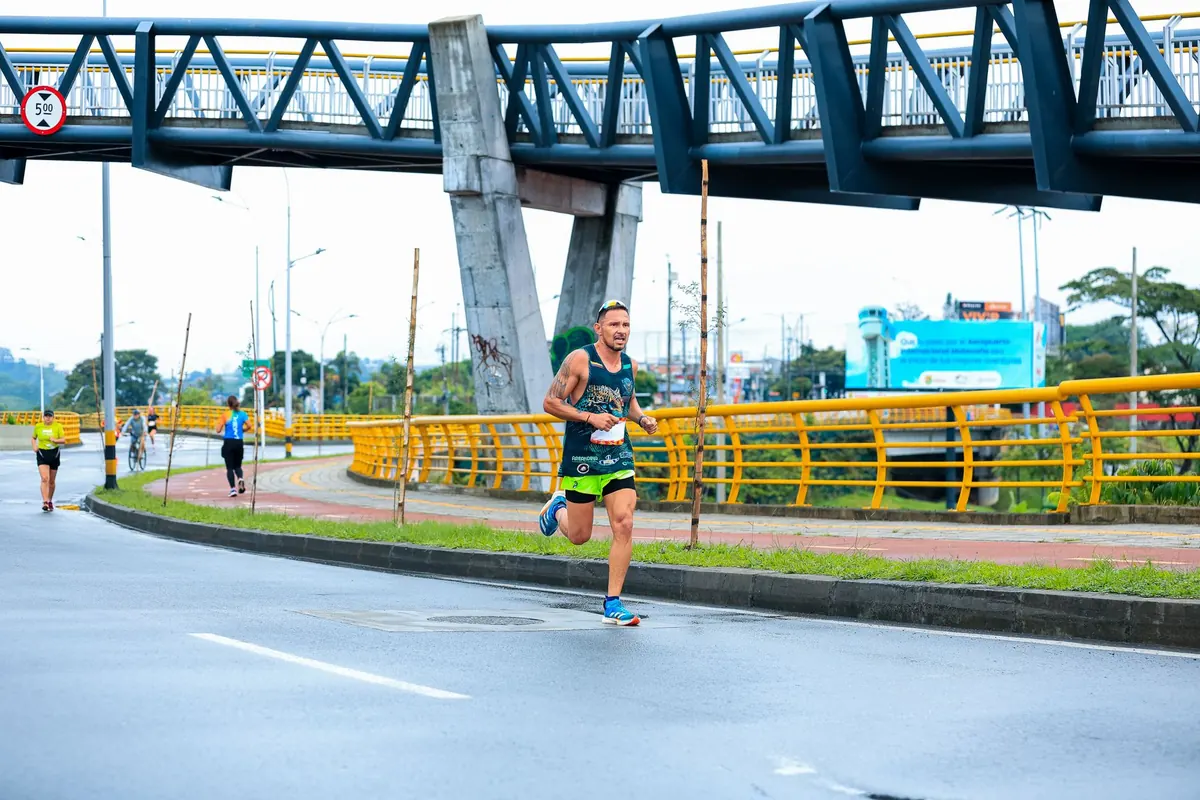
The first race back was deliberately chosen to be unimportant. A local circuit race, low pressure, easy to abandon if things went wrong. The goal was not a result. It was to answer one question: can I handle the surges and the close riding again?
She finished mid-pack and felt fine. More importantly, she learned two things. Her top-end fitness was roughly where she expected — about 90 percent. And her tactical patience, built during months of watching instead of reacting, was better than it had ever been.
That second discovery shaped the race that mattered three weeks later. Athletes coming back from injury tend to over-race: too many attacks, too early, trying to prove the body is fine. She did the opposite.
The Race That Rewrote the Season
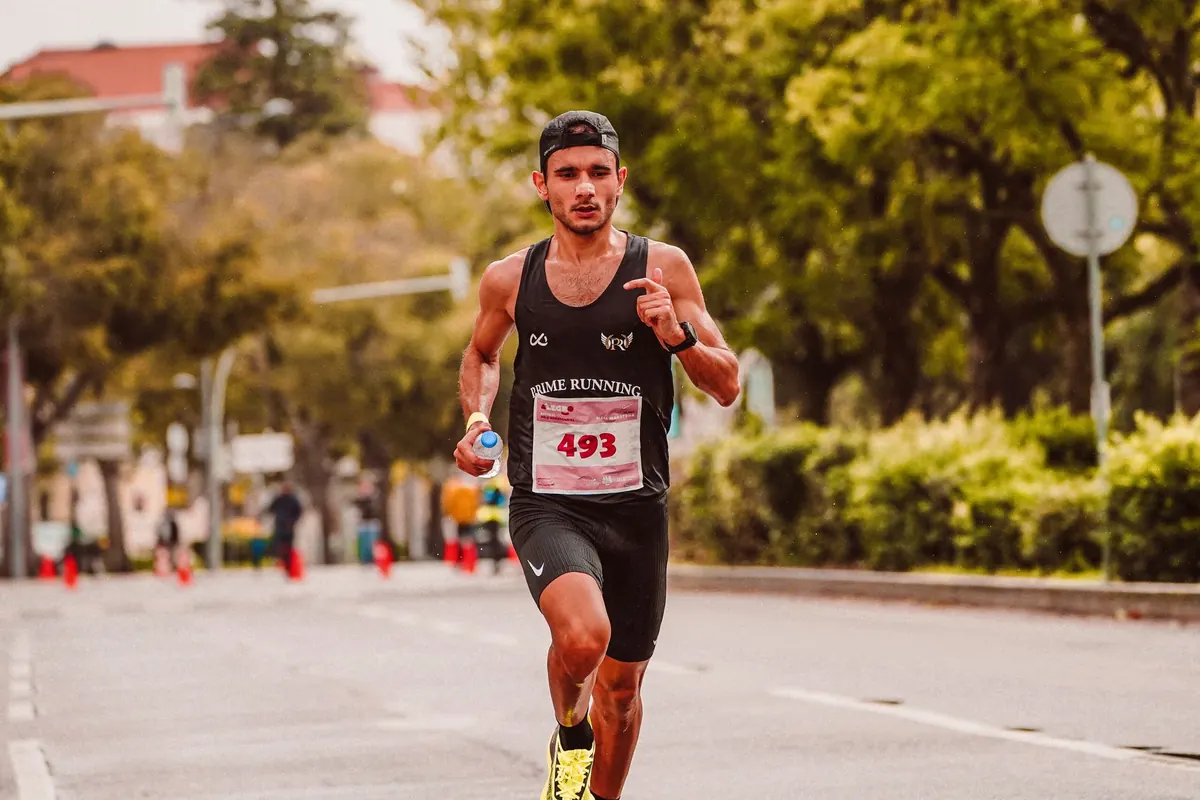
The target race was long, windy, and decided on the final climb. Her plan was almost comically conservative: sit in the first third of the bunch, drink and eat on schedule, and refuse to follow anything that went before the last hour.
For four hours she did nothing spectacular. Riders attacked, gaps opened, and she let them go. Twice she was tempted. Twice she looked at her numbers and her own rule — nothing before the final hour — and sat up.
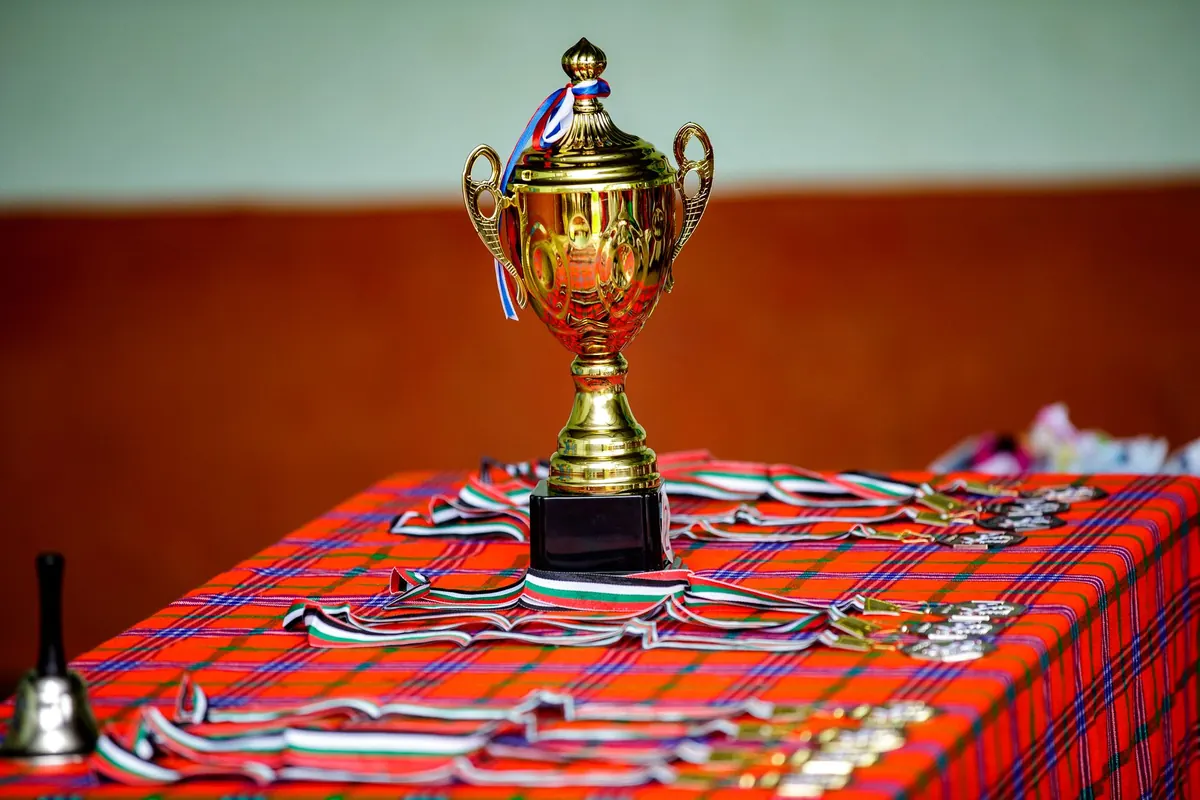
When the decisive move came, she was one of the freshest riders in the front group. Not the strongest. Freshest. She followed two wheels, closed one gap, and started the sprint from further back than she would have liked. Third place. Her first podium since the crash, in a season that had been declared finished in April.
The comeback was not won in the sprint. It was won on the trainer in week two, when she rode thirty easy minutes and went to bed annoyed.
A Practical Checklist for Your Own Comeback
If you are somewhere in the middle of this — still sore, still watching, still doing mental arithmetic about the races you are missing — here is the short version of what worked.
- Name one realistic target race and let go of the rest of the calendar.
- Ask the people treating you for a timeline, then add margin to it.
- Keep training boring for longer than feels necessary.
- Use frequency instead of duration when you return to volume.
- Log pain as carefully as you log pace or power.
- Pick a low-stakes race as your first one back, and give yourself permission to stop.
- Race your return with patience, not with something to prove.
None of this is dramatic, and none of it is fast. That is rather the point. The athletes who come back strongest are rarely the ones who healed quickest — they are the ones who used the weeks they had to build something they would not otherwise have built. A stronger base. A smarter week. A better head for the final hour of a hard race.
Her season was rewritten, but not by the crash. It was rewritten by everything she did after it, mostly on days when nobody was watching.
Photo: RUN 4 FFWPU / Pexels