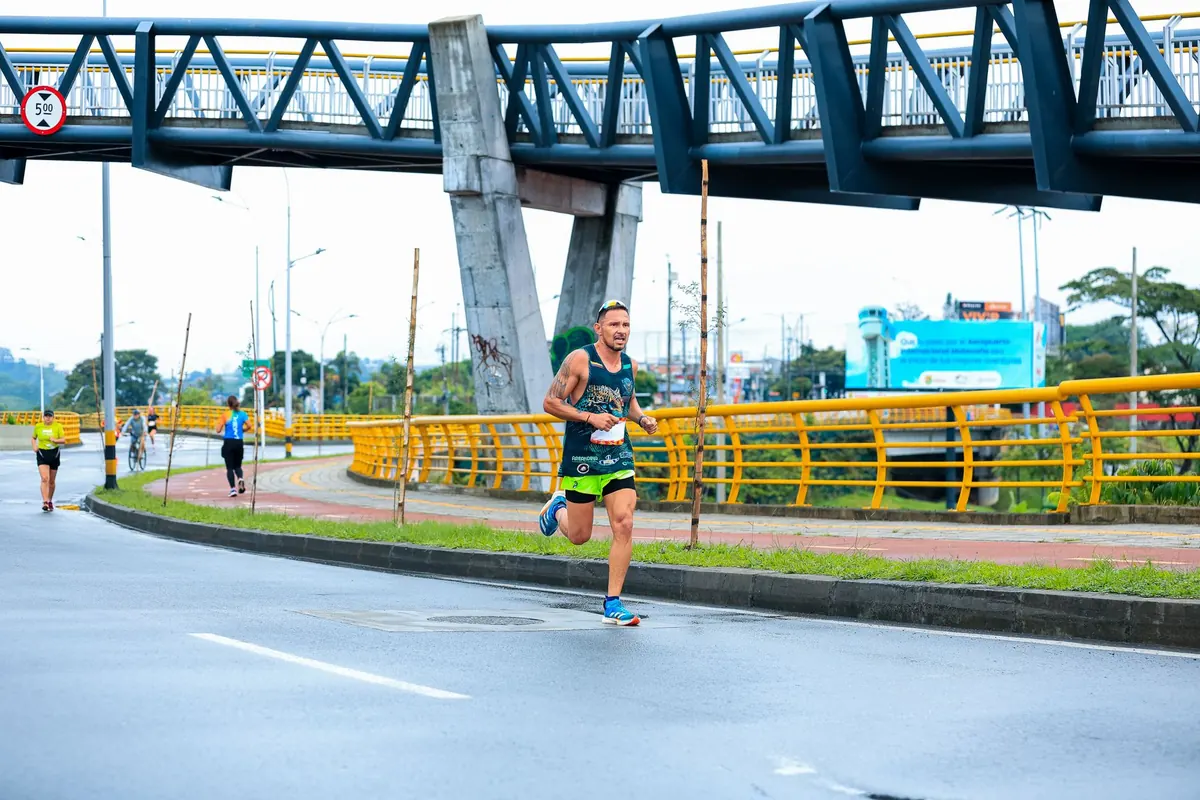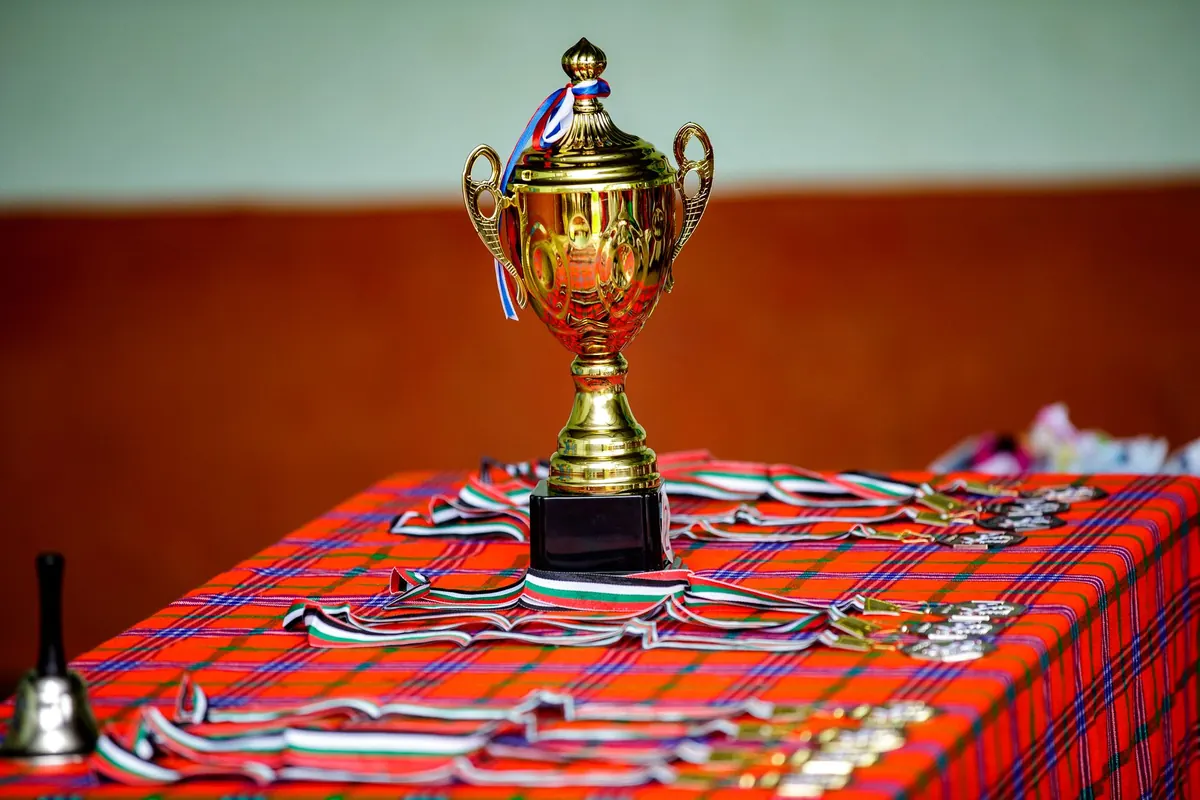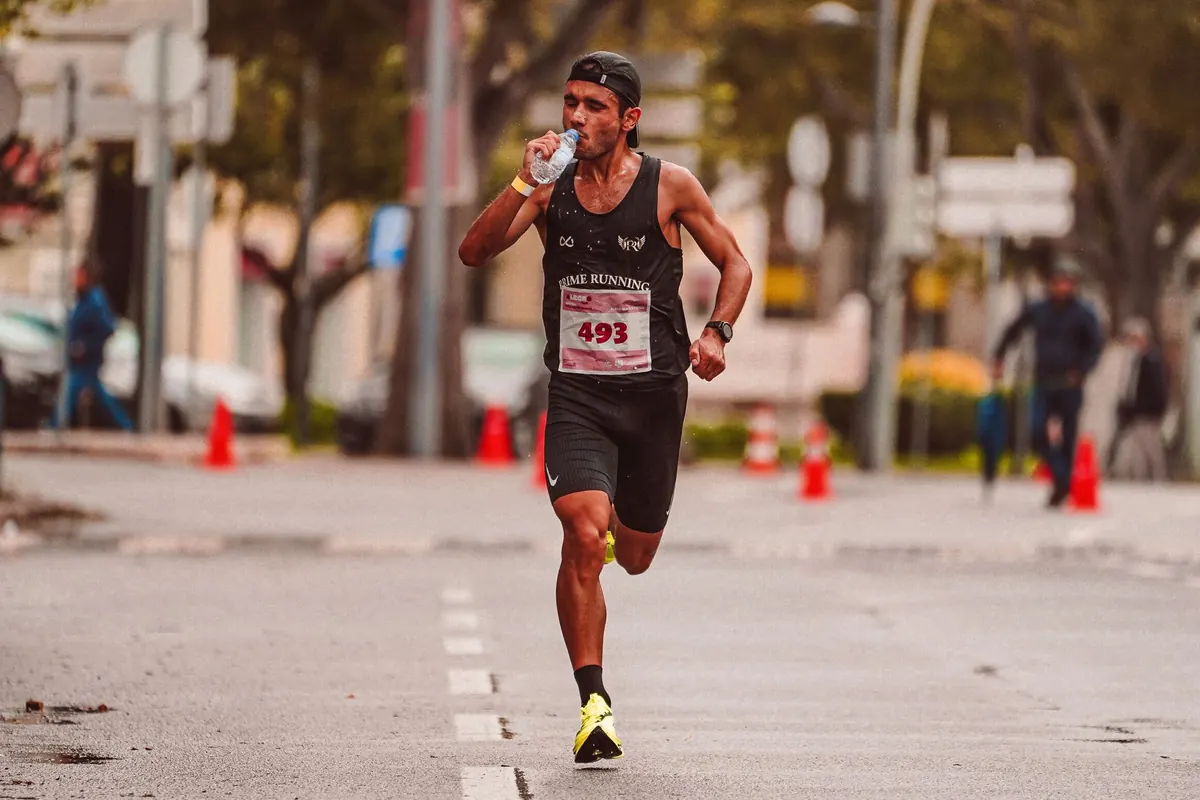
A city marathon turns ordinary streets into a stage. The trick to watching one well is not finding the biggest crowd; it is choosing a corner where you can see runners clearly, get there without fighting the course, and stay long enough to catch the race as it unfolds. Whether you are supporting a friend or simply want a good morning out, a little planning separates a blur of runners from a front-row view.
Start With the Course Map, Not the Crowd
The official course map and timetable are the only reliable sources for race-day planning. Download both before you leave home, and check them again the night before; routes and road closures can change. Mark the start, finish, bridge crossings, underpasses, and the streets where the two sides of the course are separated by barriers. That last detail matters. A spot that looks close on a map can be a twenty-minute walk away once the roads close.
Pick two or three viewing points, not five. The best spectator days are built around one short transit hop or a pleasant walk, with enough slack to stop for coffee and still be in place before the road closes. More stops mean more time in queues and less time actually watching. If you are travelling with children or anyone who finds crowds difficult, choose a single good corner and settle in rather than chasing the race from one end of the city to the other.
A simple three-window plan
- Early: the start area or the first few kilometres. Runners are still bunched, the noise is loud, and the atmosphere is at its most nervous and exciting. You will see fast club runners, costumed charity runners, and a lot of last-minute stretching.
- Middle: halfway or the 25–30 km mark. The field has spread out, runners are settling into rhythm, and you can often find a clear spot near a park or side street. This is also where you can spot a friend more easily, because the pack is thinner and people are moving at a steadier pace.
- Late: the final five kilometres or the finish approach. This is where the race gets emotional, but also where crowds are thickest and movement is slowest. Expect more road closures, more stewards, and less freedom to cross from one side of the street to the other.
Arrive at least thirty to forty-five minutes before you expect the first runners. Stay longer than you think you need to. The front of the race passes quickly; the back of the field can take hours, and those runners often get the least support. If you are hoping to see one specific person, work backward from their expected finish time rather than from the elite race. A runner aiming for four and a half hours will pass halfway around two hours and fifteen minutes after the gun, not when the leaders do.
Best Spots, Neighborhood by Neighborhood
Every course has its own character, but the same principles apply across most city marathons.
The start and the first few kilometres
The start is electric, especially in the half hour before the gun. You will see nervous stretching, last-minute hugs, and the slow shuffle of thousands of runners toward the line. It is a poor place to spot one person for long, though, and security is usually tight. If you want atmosphere, arrive early; if you want to cheer a specific runner, choose a spot a kilometre or two after the start instead. That way you avoid the crush at the start pens and still catch your runner while they are fresh, smiling, and willing to stop for a quick photograph.
Residential streets and local corners
Some of the best viewing is away from the landmarks. Streets around the 10–20 km mark often have smaller crowds, clearer sightlines, and a relaxed local feel. Runners are still fresh enough to respond to cheers, and you can usually step into a café or use a side street without fighting a wall of people. Look for a corner with a slight bend, a bus shelter, or a low wall you can stand behind without blocking the pavement. A corner near a bakery or a small square is ideal: you can hold a sign, cheer for strangers, and still slip away for a coffee when the field thins out.
Parks, waterfronts, and wide avenues
Parks and river paths tend to be family-friendly: more space, more shade, and room for children to see without being pressed against a barrier. Check whether the path is narrow or shared with cyclists, and keep pushchairs and dogs well back from the racing line. Wide avenues are good for groups, but they can feel impersonal; a tighter side street usually gives you a better view of individual runners. Waterfront sections are beautiful on a clear day, but they can be windy and exposed. If rain is forecast, a park with trees or a street with shop awnings will be more comfortable than a bridge.
Bridges, hills, and the old town
Bridges and short climbs are where you see effort. Runners slow down, form breaks up, and the crowd noise carries. They are also exposed to wind and rain, so dress for the conditions. Old-town sections with cobbles or sharp turns are dramatic but crowded; stand on the inside of a corner only if stewards allow it, and never step into the road for a photo. A hill at the 30 km mark can be a brutal place to watch, but it is also one of the most rewarding: a well-timed cheer can lift a runner who is clearly struggling.
The finish
The finish is the most emotional place on the course and the worst place to arrange a casual meeting. Expect heavy security, one-way pedestrian flows, and barriers between runners and spectators. Use the official family reunion area if there is one, and agree on a landmark well away from the finish chute. A meeting point outside a nearby station or at the corner of a quiet side street will save you both from wandering in circles with tired legs and a dead phone battery.
Timing Windows That Matter
Race-day timing is not one clock. There are at least four timings to keep in mind: the elite start, the wave starts for ordinary runners, your runner’s expected pace, and the road reopening schedule. Check the race website for wave times and cut-off points, and use the official tracking app if one is available. Many races also publish split times at 5 km, 10 km, halfway, and 30 km, which can help you predict when your runner will reach your corner.
Do a little pace maths before you leave home. A four-hour marathon is roughly 5 minutes 41 seconds per kilometre, or 9 minutes 9 seconds per mile. That runner should pass halfway around two hours, 30 km around two hours and fifty minutes, and the finish at four hours. A five-and-a-half-hour marathoner is moving at about 7 minutes 49 seconds per kilometre, or 12 minutes 35 seconds per mile, and will pass halfway around two hours and forty-five minutes. Add five to ten minutes for a crowded start, toilet stops, and the natural slowdown in the final 10 km. If you are supporting someone, write their predicted times on your hand or phone lock screen so you are not guessing when the first runners appear.
When in doubt, arrive early for the first pass and stay late for the last. The race you planned to watch for twenty minutes often becomes the best two hours of your weekend.
Road closures are another timing issue. Some streets reopen as soon as the back of the field passes, while others stay closed for hours. Check the reopening schedule before you plan a route home, and do not assume you can cross the course just because there is a gap in the runners. Stewards will often hold pedestrians for safety, so allow extra time for the journey back.
What to Bring, Wear, and Plan For
A marathon morning can be colder, wetter, or sunnier than you expect. Dress in layers you can tie around your waist, and take a light rain jacket even if the forecast looks clear. Comfortable shoes matter more than style; you may stand for two or three hours, and pavements near the course can be uneven.
- Water and snacks: bring a refillable bottle and something easy to eat. Cafés near the route get busy, and queues can make you miss your runner.
- Phone battery: tracking apps, photos, and messages drain a battery quickly. A small power bank is worth the extra weight.
- Cash or card: useful for coffee, transport, and the inevitable emergency snack.
- A folding mat or bin bag: a lightweight mat gives children somewhere to sit, and a bin bag can keep a wet bench dry.
- Sun protection: a hat and sunscreen are easy to forget on a cool morning, but wide avenues can be surprisingly exposed.
Wear bright colours if you want your runner to spot you, and choose a sign that is large but not so wide that it blocks the view behind you. Stand behind the barrier, keep the pavement clear, and never step into the road for a better angle. If you are with children, explain that runners may not be able to stop and that the safest cheer is a loud one from the side.
Cheering Well and Meeting Runners Afterward
Good cheering is specific. Shout a name if you can see one on a bib, praise the effort rather than the pace, and avoid jokes about how far they still have to go. A simple “You’re looking strong” or “Keep going, you’re nearly there” carries further than a generic wall of noise. If you are supporting a friend, learn their race outfit and expected splits, and stand where they can see you from a distance. A bright balloon or a familiar flag helps more than a last-minute text.
- Use names: runners often say that hearing their own name from a stranger gives them a lift.
- Keep signs readable: short, bold words work better than a long joke that takes ten seconds to read.
- Do not chase runners: crossing the course or running alongside them can be dangerous and disruptive.
- Have a meeting plan B: agree on a backup landmark in case the first one is crowded or closed.
Meeting a runner after the finish takes patience. They may be cold, tired, and emotional, and the finish area is usually designed to keep people moving. Agree on a family reunion point in advance, bring a warm layer and a snack, and allow thirty to sixty minutes for the walk and the crush. The best spectator days end quietly: a clear corner, a few good cheers, a runner found at the agreed landmark, and a slow walk home while the last of the barriers come down.
Photo: RUN 4 FFWPU / Pexels