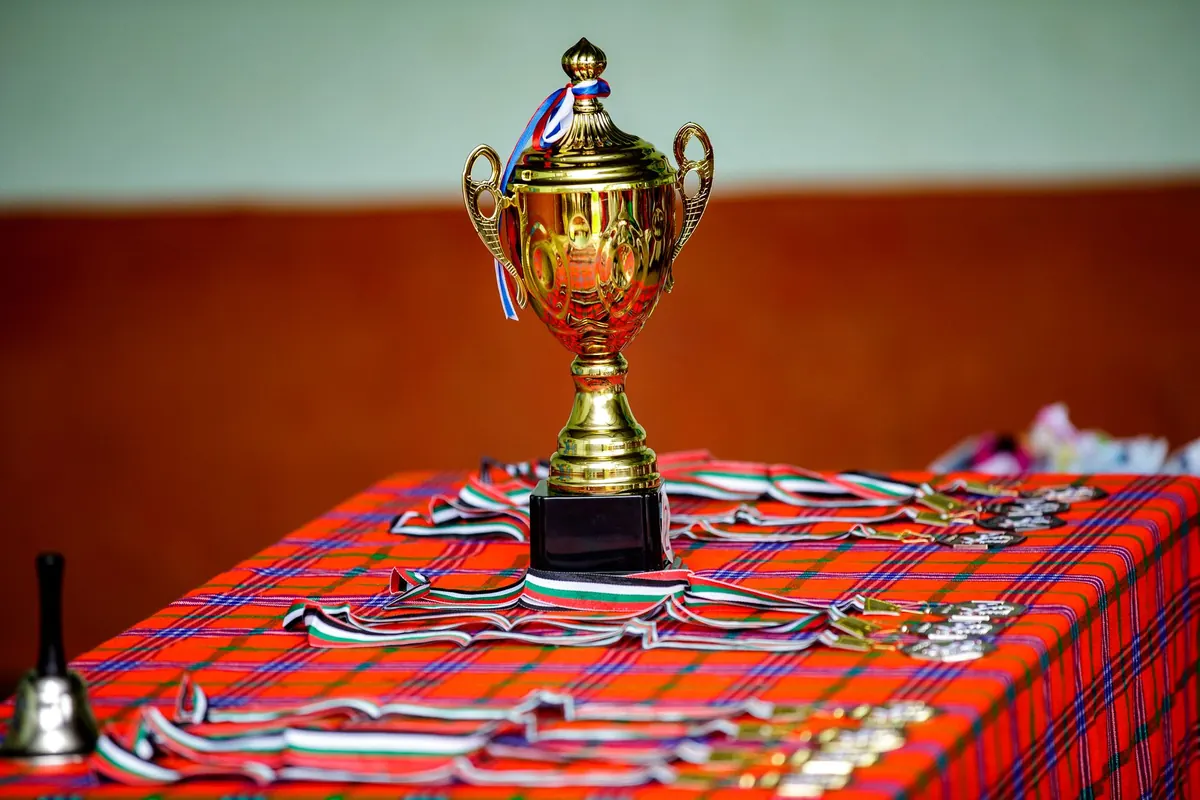
Two riders, the same power numbers, the same expression in the podium photograph. One of them had 200 metres to get it right. The other had three hours, a dozen corners, a crosswind section and a nervous peloton to survive before those same 200 metres arrived. Track racing and road racing both finish with a sprint, and both reward positioning, drafting and timing — yet the two disciplines teach those three skills in almost opposite ways.
The Geometry of the Problem
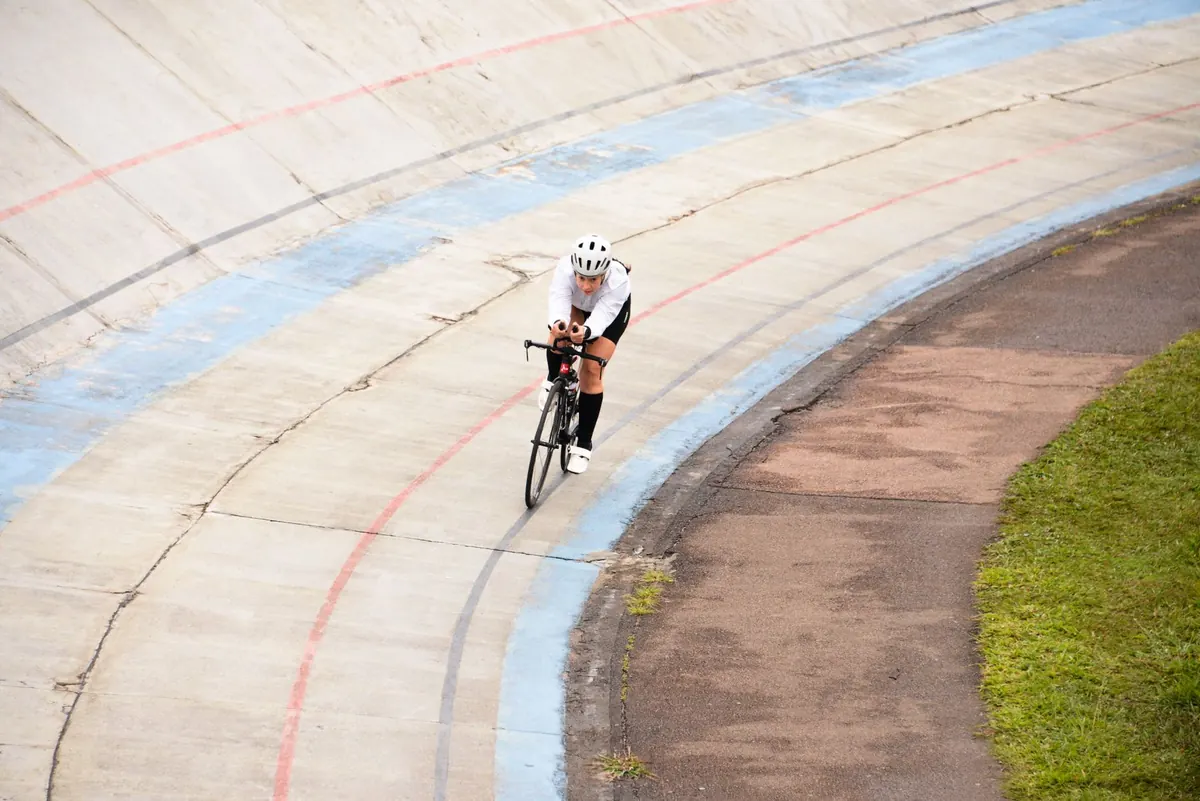
A velodrome is a closed, repeatable puzzle. Whether it is 250 metres or 333, the banking is the same every lap, the corners arrive on schedule, and there is no wind to argue with. You can rehearse a finish twenty times in an afternoon and know, to the metre, where you want to be when the bell rings.
A road race is a moving target. The finish line might sit after a downhill left-hander, or at the top of a drag, or on a wide boulevard with a headwind that turns a 250-metre jump into a 400-metre grind. You get one look at it, usually in the briefing or on the reconnaissance, and then you have to improvise around eighty other riders who all want the same patch of tarmac.
That difference shapes everything that follows. Track tactics are about executing a known plan under pressure. Road tactics are about building a plan in real time, from incomplete information, while pedalling.
Positioning: The Rail Versus the Wheel
On the track, position is measured in height as much as in metres. The black line is the shortest way around, but it is also a trap: sit on it too early in a sprint and you have nowhere to go when a rider sweeps past on your outside. Experienced sprinters treat the banking as storage. They hold the high line, let gravity and the curve do some of the work, and drop down only when they are ready to commit.
Watch a good keirin finish and you will see riders fighting for a place two and three wide on the banking rather than diving for the rail. They are buying options, not distance.
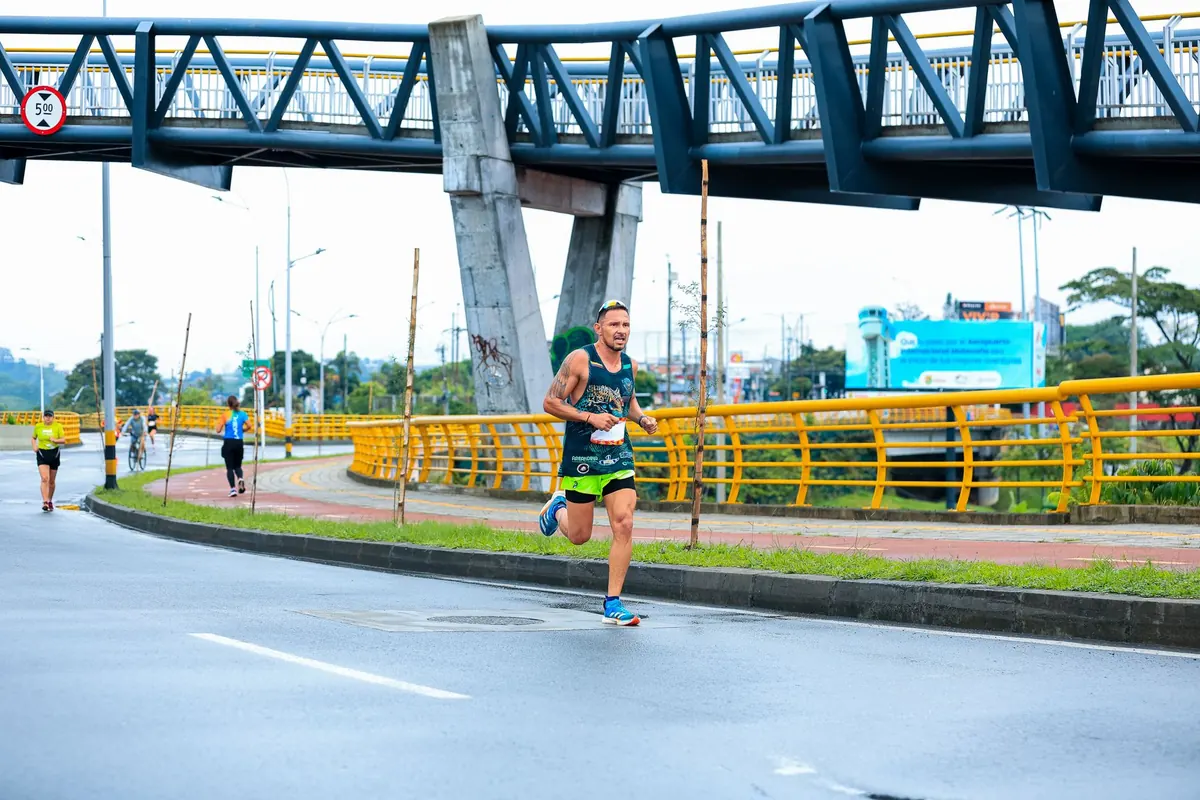
On the road, position is measured in wheels. Being third wheel into the final corner is worth more than being tenth with a bigger engine, because the first three riders get the cleanest line and the first real jump. The practical priorities look like this:
- Move up before the corner, not in it. Braking and steering at the same time costs you speed and goodwill.
- Guard the inside on right-hand finishes, the outside on left-hand ones. Whoever controls the shorter line controls the sprint.
- Track the wind, not just the wheel. A crosswind finish rewards the rider who starts the bunch on the sheltered side.
- Spend your matches early enough. Fighting for position in the last 500 metres is expensive; doing it with two kilometres to go is cheap.
Both disciplines punish hesitation in the same way. The rider who waits for a gap that is already closing usually ends up watching the podium from behind it.
Drafting: A Cleaner Vacuum, a Messier Reality
The track gives you a draft that is almost laboratory-grade. Speeds are high and steady, lines are predictable, and the rider in front is not going to brake for a pothole. Sit a wheel properly on the banking and the shelter feels enormous, which is why a canny rider can hide for three laps and still have full legs for the final 200.
Road drafting is a negotiation. The shelter shrinks when the road tilts uphill, shifts sideways when the wind changes, and disappears entirely when the bunch splits into echelons. On a windy day the most valuable skill is not sprinting at all — it is knowing which side of the wheel to sit on so you are protected rather than exposed.
The track rewards the rider who knows exactly what happens next. The road rewards the rider who can guess.
Sprint Timing: One Jump, Two Clocks
Track sprinting is a single, teachable moment. You have a 200-metre line painted on the track, a known finishing straight and a clear sense of how much speed you can carry from the banking. The classic errors are just as clear: going too early from the front and dying in the last 40 metres, or leaving the dive so late that you run out of track.
Road sprinting is a sequence. There is the leadout — two, three or four riders riding a rising tempo — then the final corner, then the moment the last man pulls off, and only then the jump. Timing here depends on things you cannot rehearse: whether the wind is helping or hurting, whether the road rises in the last 150 metres, whether the bunch is strung out or bunched.
A useful rule of thumb for the road: into a headwind, wait longer and jump harder; with a tailwind, go earlier and spin. On the track, the equivalent rule is simpler — know your 200-metre time and trust it, because the geography will not betray you.
Reading the Race: Numbers Versus Noise
Track racing hands you data. Lap splits, the position of the bell, the gap to the rider above you. A coach on the rail can tell you exactly where you lost the sprint. That makes track a superb place to learn discipline: you cannot blame the route, the wind or a crash three corners back.
Road racing hands you noise. Who is bluffing, who is suffering, which team is drilling it for a sprinter who is not actually there. Reading that noise is a skill built over seasons, and it is the reason road sprinters tend to be older than track sprinters. The best road finishers are not always the fastest; they are the ones who arrive at 300 metres to go having spent the least.
Where the Two Disciplines Sharpen Each Other
Time on the track makes road riders braver and neater in close quarters. Riding a fixed gear with no brakes teaches you to hold a line and to judge speed without the safety net of a lever. Track riders learn quickly that a half-wheel overlap is not a disaster but a decision.
Road racing, in turn, gives track riders endurance and patience. A sprinter who has spent four hours in a crosswind knows what fatigue actually feels like, and that knowledge makes the final 200 metres feel shorter rather than longer.
A Practical Week of Podium Practice
If you want to improve at either discipline, turn the theory into repetitions. Here is a sequence you can run over a week, on the track or on quiet roads:
- Rehearse the jump. Ten standing-start efforts over 200 metres, timed, with full recovery. Note the point where your speed peaks.
- Practise holding the high line. On the track, ride two laps above the sprinter's lane and dive for the black line only in the last 80 metres. On the road, use a wide, empty roundabout or car park to rehearse the same arc.
- Do a positioning drill in a group. Pick a wheel and move up two places per lap without braking. Smooth, not aggressive.
- Run a three-rider leadout on the road, timed to a fixed marker. Rotate who leads and record where each rider jumps.
- Watch the last two kilometres of a race on video and write down who moved where. Then compare it with the result.
Whatever you ride, hold your line and look before you move. Podiums are won by riders who are predictable to everyone except the person they are about to pass.
Photo: Daigoro Folz / Pexels